You’ve felt it before. Your phone dies halfway through the day. Apps freeze when you need them most. Everyone faces that moment. In 2026, the average replacement cycle hits about 2.5 years in the US. That’s 29 to 30 months for most folks.
But how do you know if it’s time? You don’t want to buy too soon and waste cash. Or wait too long and deal with frustration. This guide covers the top signs, real timelines, and what pushes people to upgrade. You’ll spot issues fast and decide smart.
Spot These Telltale Signs Your Phone Is on Its Last Legs
Your phone sends clear warnings. Ignore them, and daily tasks turn annoying. Pay attention, and you fix or replace before big headaches hit. Common gripes from 2026 data include battery woes and slowdowns. Let’s break them down.
Battery Won’t Hold a Charge Anymore
Batteries fade after 500 to 800 charge cycles. That’s often 1.5 to 2 years with daily top-ups. Capacity drops below 80%, so it barely lasts half a day now.
You charge overnight, but it’s dead by lunch. Or it gets hot while charging. Heavy gaming speeds this up. Check your settings. iPhones show battery health directly. Androids have similar tools in apps.
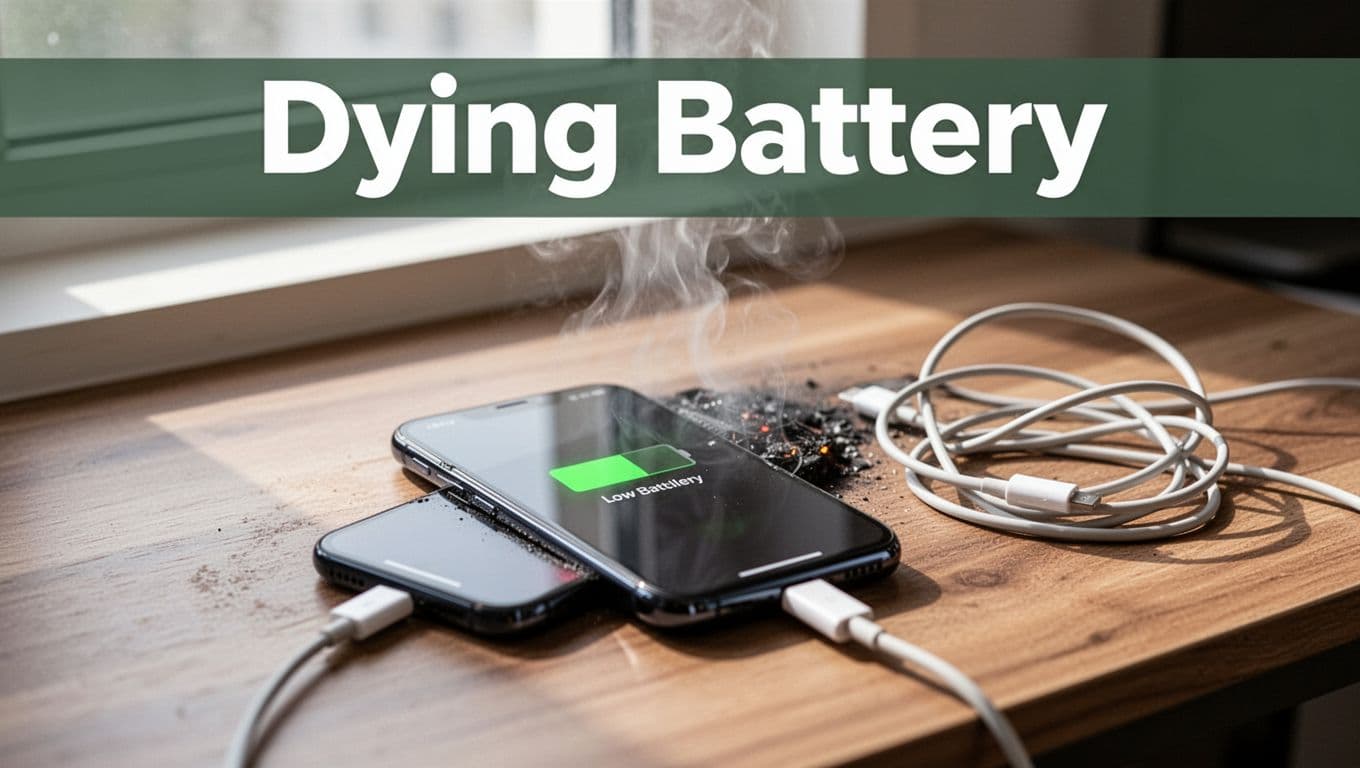
We’ve all been there. Stuck without power during a call. For more iPhone specifics, see 9 signs your iPhone battery needs replacing.
Apps Lag, Crash, or Just Feel Slow
Old processors and low RAM cause stutters. Scrolling jerks. Apps force close mid-use. You can’t run two at once smoothly.
In 2026, new apps demand more power. Software tweaks help sometimes. Close background tasks or clear cache. But if hardware lags, no fix lasts.
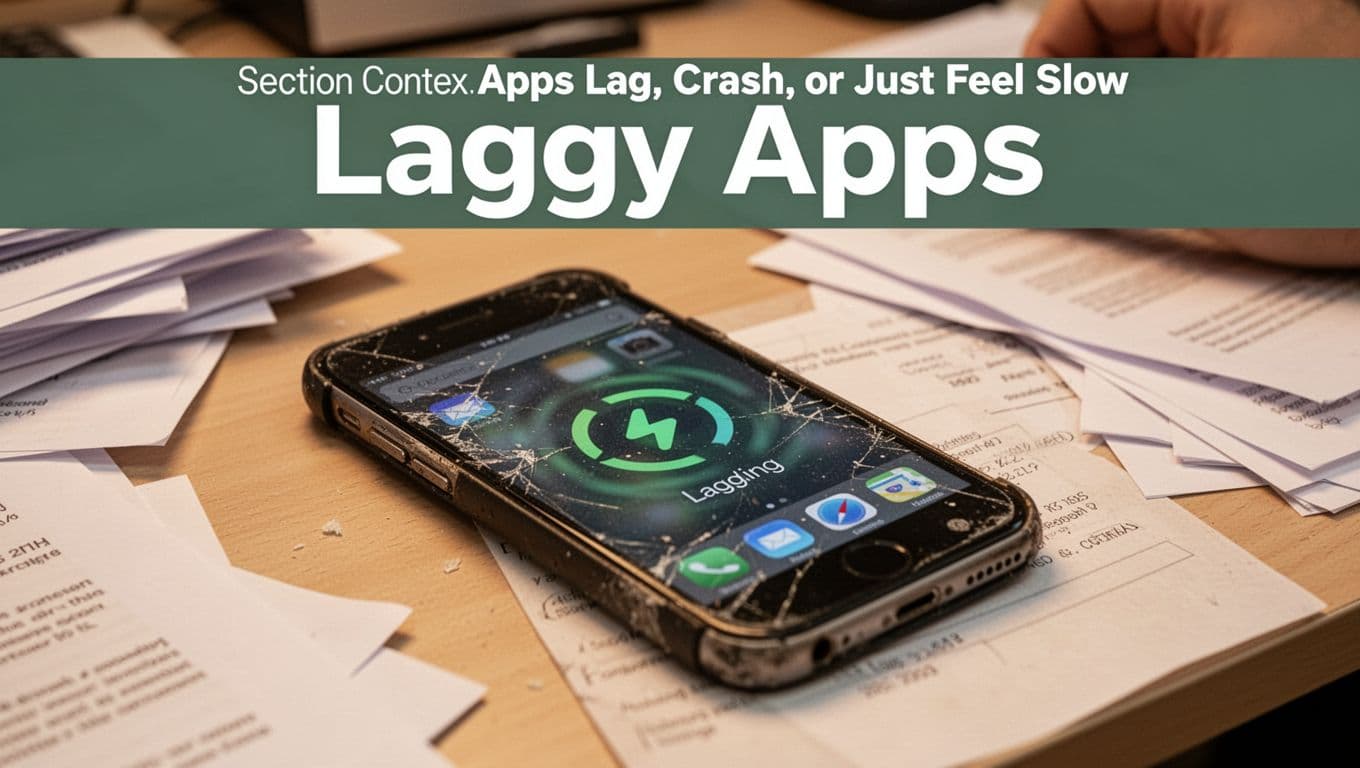
This hits 22% of upgraders hardest. Test it. Open heavy apps like maps plus music. If it chugs, consider hardware limits.
Cracked Screen or Other Physical Wear
Drops happen. Scratches build up. Buttons stick or fail. Water damage creeps in over time.
Repairs cost big. A screen fix might run near a new budget phone’s price. Check your phone’s age first. Under two years? Fix it. Older? Replace instead. Physical hits add up fast.
No More Updates Leaving You Vulnerable
No patches mean hackers target you easier. Apps drop support too. iPhones get 6 to 7 years. Top Androids like Samsung Galaxy S or Pixels match that now.
But older models end in 2026. iPhone 11 loses major updates. Samsung S21 series stops security fixes.
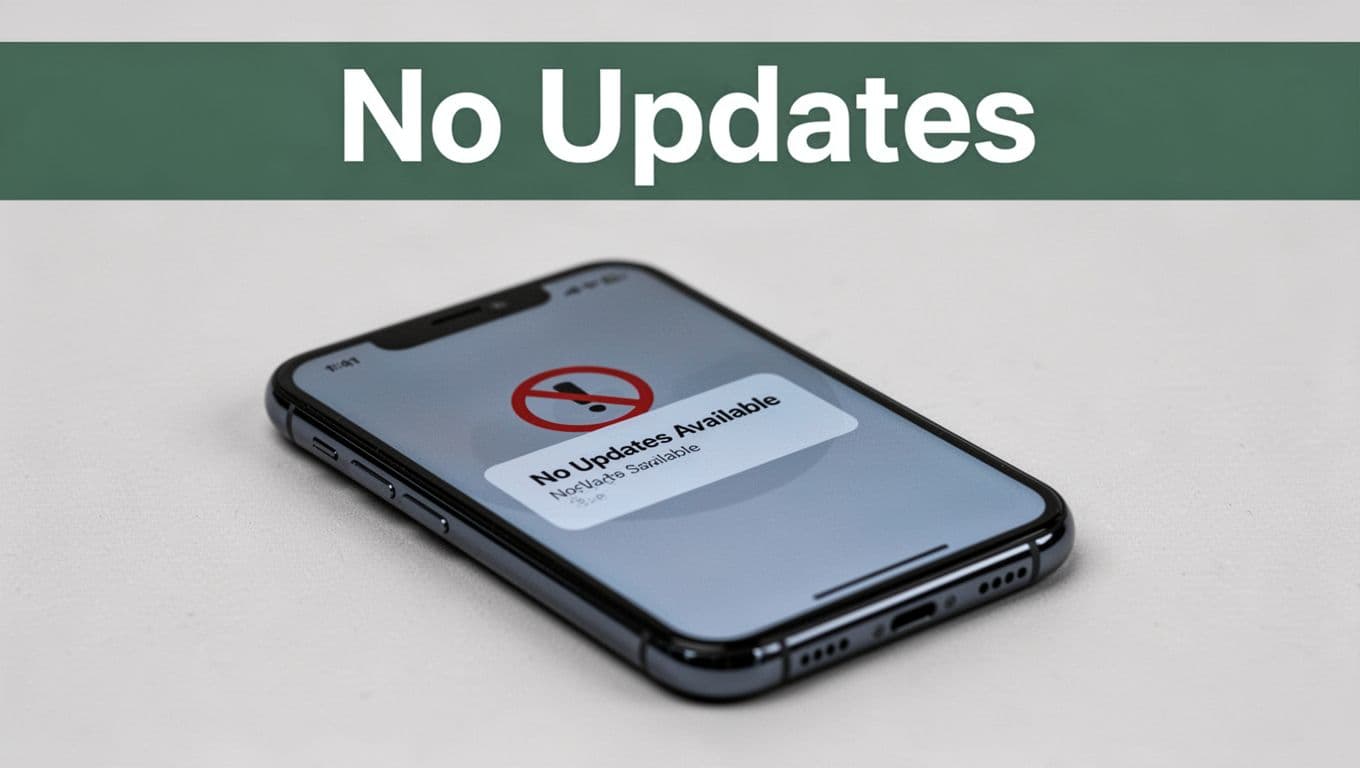
Stay safe. Check your model’s page. For Android details, read about longest-supported Android phones.
How Long Do Smartphone Batteries and Software Really Last?
Timelines vary by use and model. But 2026 data gives solid benchmarks. You can check your own phone’s life left. Factor in habits like heat exposure.
The Real Scoop on Battery Lifespan
Most hit 80% capacity in 2 to 3 years. Daily charges mean 300 to 500 cycles fast. Heat and full 100% charges worsen it.
Keep it between 20% and 80%. Avoid hot cars. New phones like Galaxy S26 rate higher at 1,200 cycles. Still, expect daily top-ups by year three.
For top endurance tests, check best phone battery life in 2026. Tips extend life. Update software for efficiency gains.
Software and Security Update Windows
Flagships lead. iPhone 16 or 17 gets 6 to 7 years. Google Pixels and Samsung match with 7 years from launch.
Older ones drop off. Samsung Note 20 ends in 2026. No updates risk hacks and lost features. Search your model plus “support end date.”
| Brand | Flagship Support | Examples Losing in 2026 |
|---|---|---|
| iPhone | 6-7 years | iPhone 11 series |
| Pixel | 7 years | Recent models safe |
| Samsung | 7 years | S21, Note 20, Z Fold 3 |
This table shows quick risks. Pick long-support phones next time.
What Most People Do: Average Upgrade Cycles and Top Reasons
Americans average 29 months now. That’s up thanks to tougher builds and eco pushes. But issues force hands.
You’re not alone if yours feels old at two years. Data shows patterns. Set your expectations right.
Breaking Down the Numbers on Replacement Cycles
Surveys confirm 2.5 years typical. 27% swap every two years on carrier deals. 23% wait 3 to 4. 21% hold till it breaks.
Heavy users shorten it. Light ones stretch to four years. For stats, see phone upgrade cycle report.
Costs hold many back. Phones average $634. Finance helps, but bills add up.
Why Folks Pull the Trigger on a New Phone
Battery fails for 18%. Speed drops for 22%. Deals tempt too. Breaks push sudden buys.
Family hand-me-downs extend life. Not always hype like cameras. Real needs drive most choices.
Tempted by New Tech? Trends That Might Push You to Upgrade
2026 brings AI smarts. But changes slow yearly. Wait if your phone meets needs.
AI edits photos on-device. Predicts habits for battery saves. Cameras use it for low-light wins. Foldables get practical, less pricey.
Do you need AI daily? Match trends to your day. Fewer buys help the planet too.
Your phone works fine? Hold off. Battery ok? Updates ongoing? Needs met? Answer yes to all three, and skip the upgrade.
March 2026 trade-ins offer deals. Check carriers now. What’s your phone’s age? Share in comments. Upgrade when it counts. You’ll save money and stress.