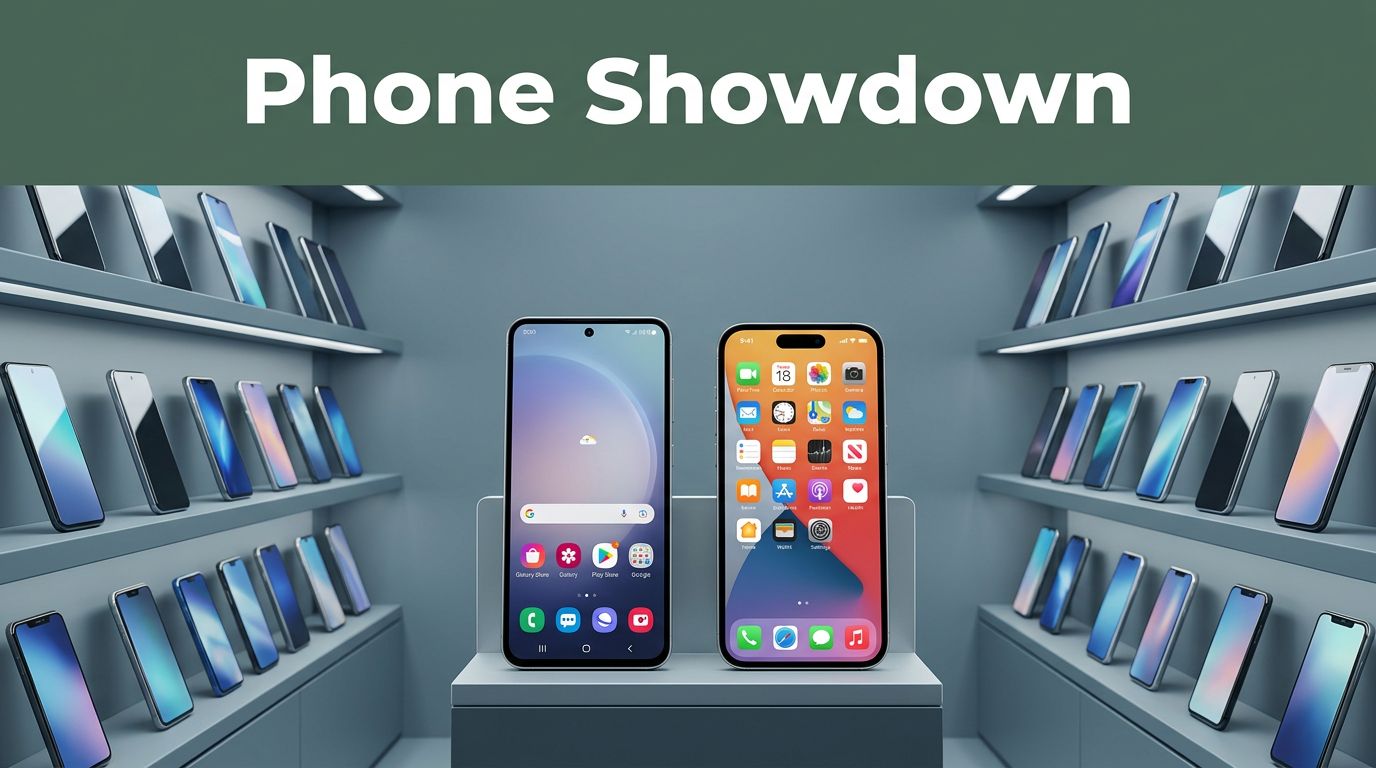
You’re standing in the phone store, staring at rows of shiny screens. Android or iPhone? It’s tough for beginners when choices feel endless and specs blur together. You’ve got questions about which fits your daily life, budget, or tech habits.
This guide simplifies Android vs iPhone for beginners using 2026 stars like the Samsung Galaxy S26, Google Pixel 11, and iPhone 18. We’ll cover operating systems, hardware, features, performance, and smart buying tips. In short, both shine, but Android brings variety and freedom while iPhone offers simplicity and rock-solid reliability.
Ready to pick your perfect phone? Let’s break it down.
Grasp the Core: Android’s Flexible OS vs iPhone’s Polished System
Android 16 and iOS 26 power the top phones of 2026. Android 16 runs on devices like the Google Pixel 11 and Samsung Galaxy S26. It packs AI tools such as real-time call screening and live translation through Gemini AI. You get features like Magic Cue for smart suggestions from emails and Voice Translate for natural conversations. In addition, Android shines in openness. It supports multitasking with resizable app windows and split screens. For beginners, it feels like a customizable computer. You tweak themes, fonts, and widgets easily.
iOS 26 drives the iPhone 18 (and iPhone 17 series). Apple focuses on privacy-first AI with Apple Intelligence. Think Smart Siri for better queries and Clean Up for photo edits. It promises 6-7 years of updates. iOS delivers stability, so crashes stay rare. Beginners appreciate the straightforward setup. It acts like a reliable toolbox, simple and crash-free.
However, each has trade-offs. Android offers freedom but updates vary by maker. iOS locks you in but runs snappier.
Here’s a quick pros and cons table based on 2026 tests:
| Feature | Android 16 Pros | Android 16 Cons | iOS 26 Pros | iOS 26 Cons |
|---|---|---|---|---|
| Customization | Easy tweaks to look and layout | Patchy updates across brands | Snappy performance, secure | Locked ecosystem |
| AI Tools | On-device Gemini for translation | Less uniform experience | Privacy-focused Apple Intelligence | Fewer options for changes |
| Beginner Fit | Cheaper entry, multitasking | Steeper learning curve | Quick setup, long support | Higher cost, less flexibility |
For a full feature breakdown, check this PCMag Android vs iOS comparison.
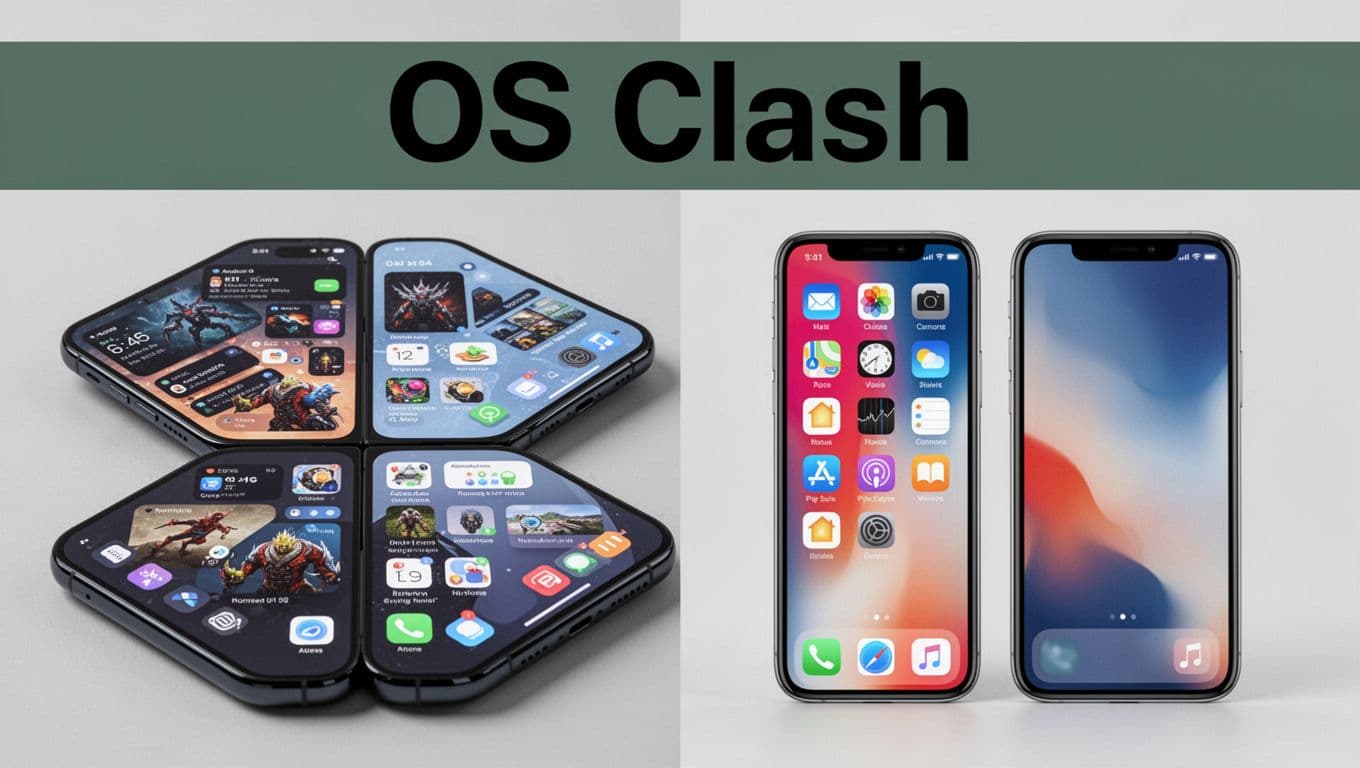
Both suit new users. Android fits tinkerers. iOS helps those who want ease. Now, let’s look at popular picks.
Popular Phones to Consider in 2026
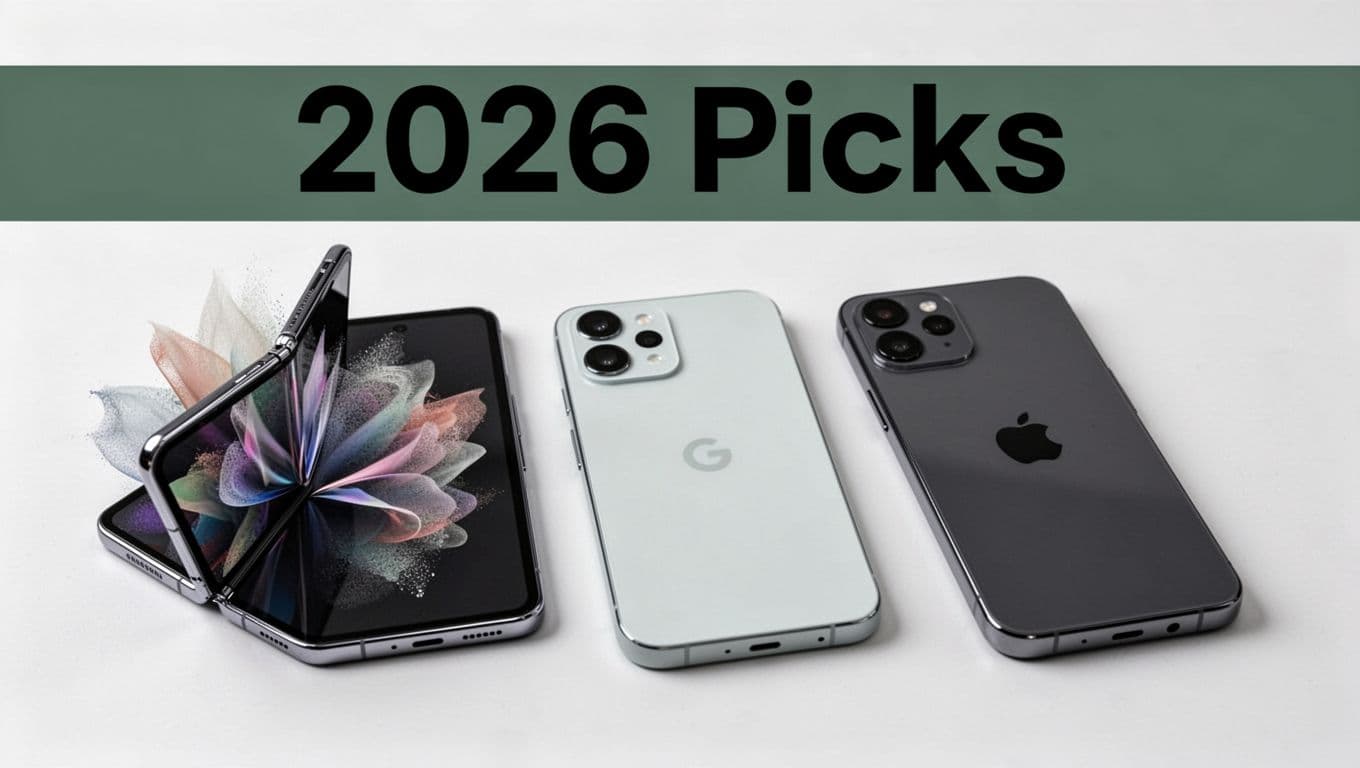
Begin with beginner-friendly flagships. These models balance power, price, and simplicity. Samsung Galaxy S26 starts around $900. It offers foldables and high-refresh screens for smooth scrolling. New users love the multitasking on bigger displays.
Google Pixel 11 excels in AI photo magic. Priced lower, often under $800, it simplifies edits with on-device tools. Beginners grab it for easy camera tricks and clean software.
Apple iPhone 18, near $800 entry, packs the A18 chip for speedy tasks. Setup takes minutes, and privacy shines.
Prices fluctuate, so compare at retailers. For specs and deals, see this Refab guide on 2026 phones.
Why do new users pick them? Pixels offer simple AI without fuss. Galaxy brings fun folds. iPhones nail quick starts. You can’t go wrong.
Hardware Face-Off: Variety of Shapes and Sizes or Consistent Premium Feel
You hold the phone in your hand every day. So why does hardware matter for beginners? Android gives you options from tiny pocket rockets to massive foldables with giant batteries. iPhones stay premium and uniform, around 6.7 inches max. This choice affects video binges, pocket fit, and charge times. Android suits big-screen lovers or power users. iPhones deliver reliable one-hand use. Let’s compare key spots.
Battery and Charging Realities for All-Day Use
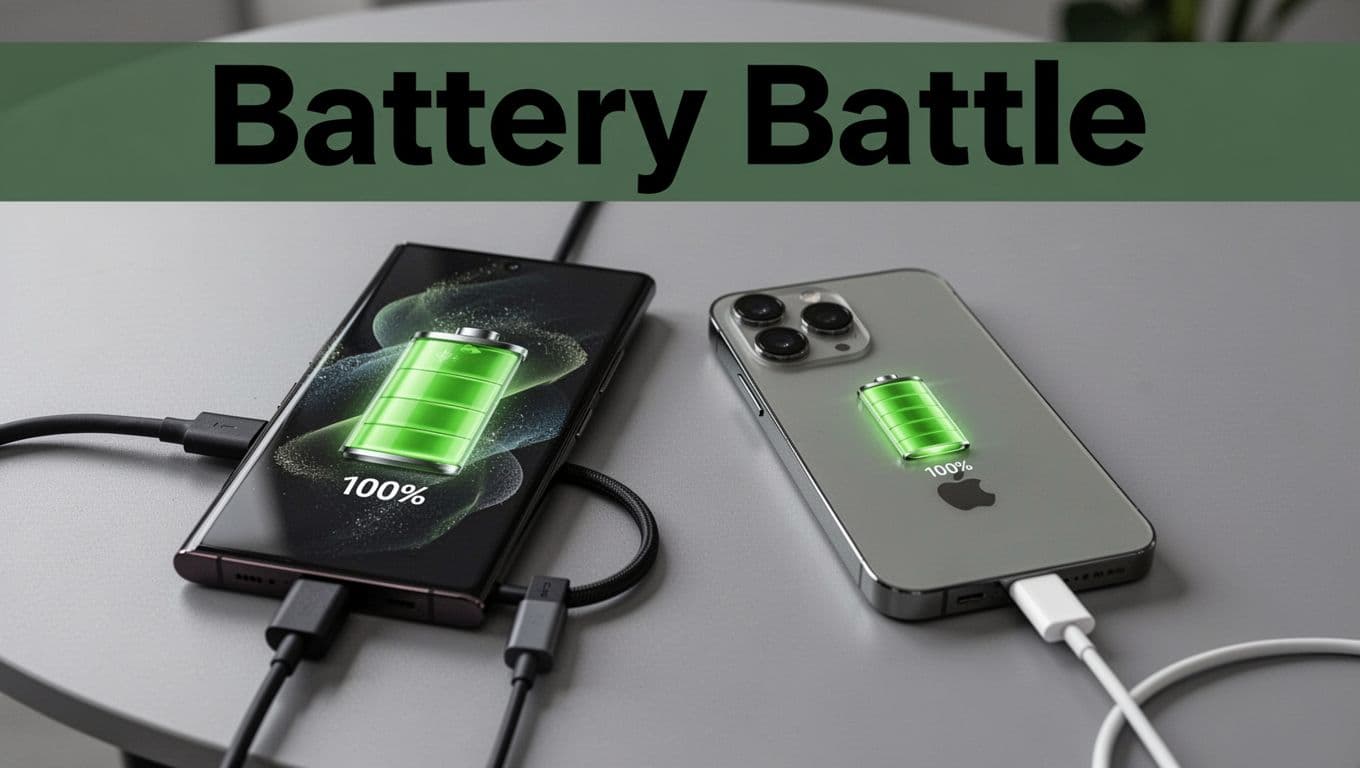
Android flagships pack 5000mAh+ batteries, often bigger thanks to silicon-carbon tech. For example, the Samsung Galaxy S26 Ultra hits 16 hours in tests. OnePlus 15 pushes 25 hours. Oppo Find X9 Pro exceeds 34 hours in real use. iPhone 18 Pro Max sticks to about 5000mAh. Apple squeezes more from it with smart optimization. Still, Android lasts longer for heavy days.
Charging follows suit. Android blasts ahead at 80W wired, some near 120W. Wireless hits 50W on top models. iPhones top 30W wired, slower overall. Beginners, grab wireless pads for both. They charge overnight fine.
Real-world March 2026 reviews confirm this. Web browsing? Android endures 24-35 hours. Gaming? 9-13 hours. iPhones trail but stay consistent. Check iPhone vs Samsung battery tests for details.
Here’s a quick winner table from 2026 data:
| Feature | Android Winner | iPhone Edge |
|---|---|---|
| Battery Size | 5000mAh+ (e.g., Oppo 7500mAh) | Efficient smaller cells |
| Real Life | 25+ hours (OnePlus 15) | Solid but shorter (16h avg) |
| Charging | 80-120W wired, 50W wireless | 30W max, reliable wireless |
Big batteries mean less worry on trips. iPhones charge smarter for quick top-ups.
Design Trends Shaping Your Pick
Android mixes it up. Screens hit 144Hz for buttery scrolls on Galaxy S26 or Pixel 11. Builds range from plastic backs on budget to metal frames. Foldables like Galaxy Z Fold7 open to tablets. Plus, 2026 brings under-display cameras on flagships. You pick small 6-inch Pixels for pockets or 7-inch Ultras for movies.
iPhones keep OLED screens consistent at 120Hz. Titanium and glass feel premium across models. No folds, just slim 6.7-inch max. This means easy one-hand grip everywhere.
Variety helps daily tasks. Foldables boost multitasking. Big Androids shine for Netflix. iPhones slip in jeans without bulk.
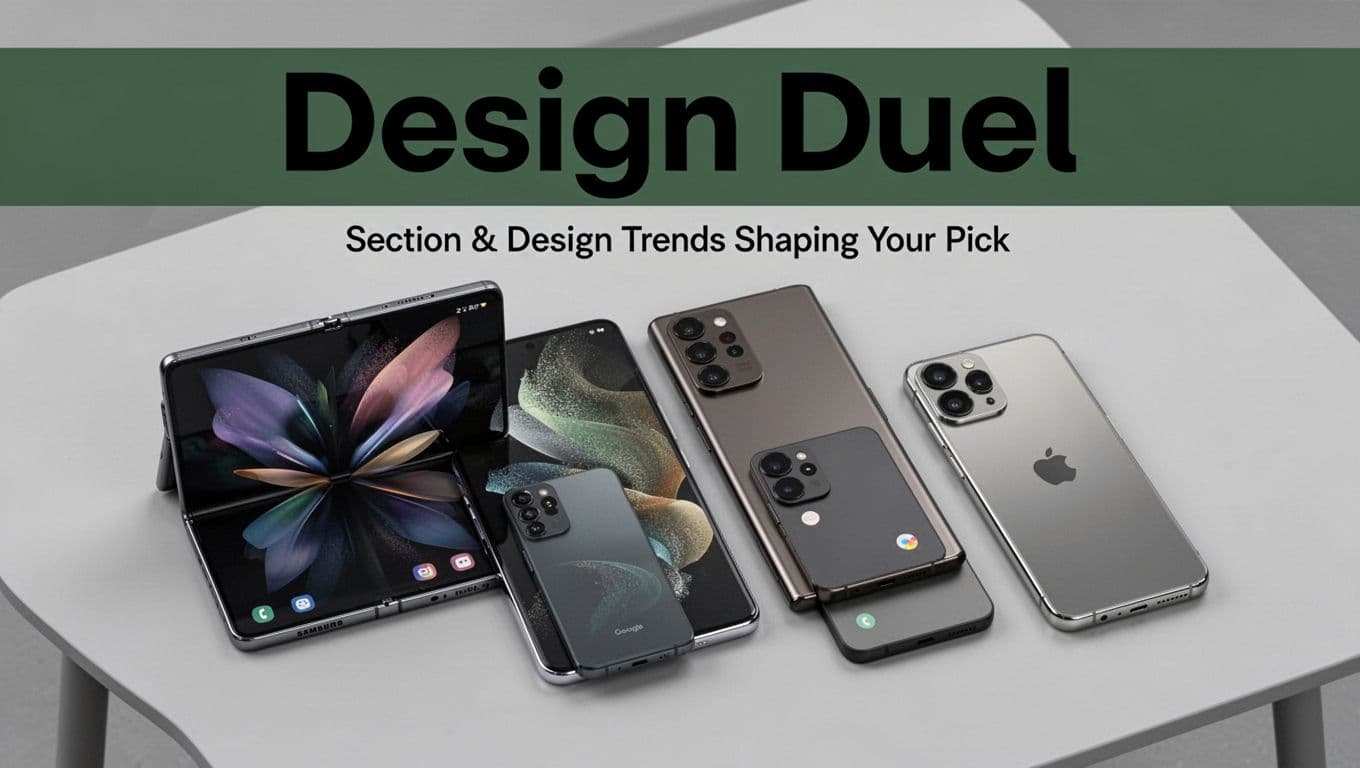
In short, Android fits your style. iPhone gives trusted feel. Which pulls you in?
Daily Wins: Customization, Apps, and Security Simplified
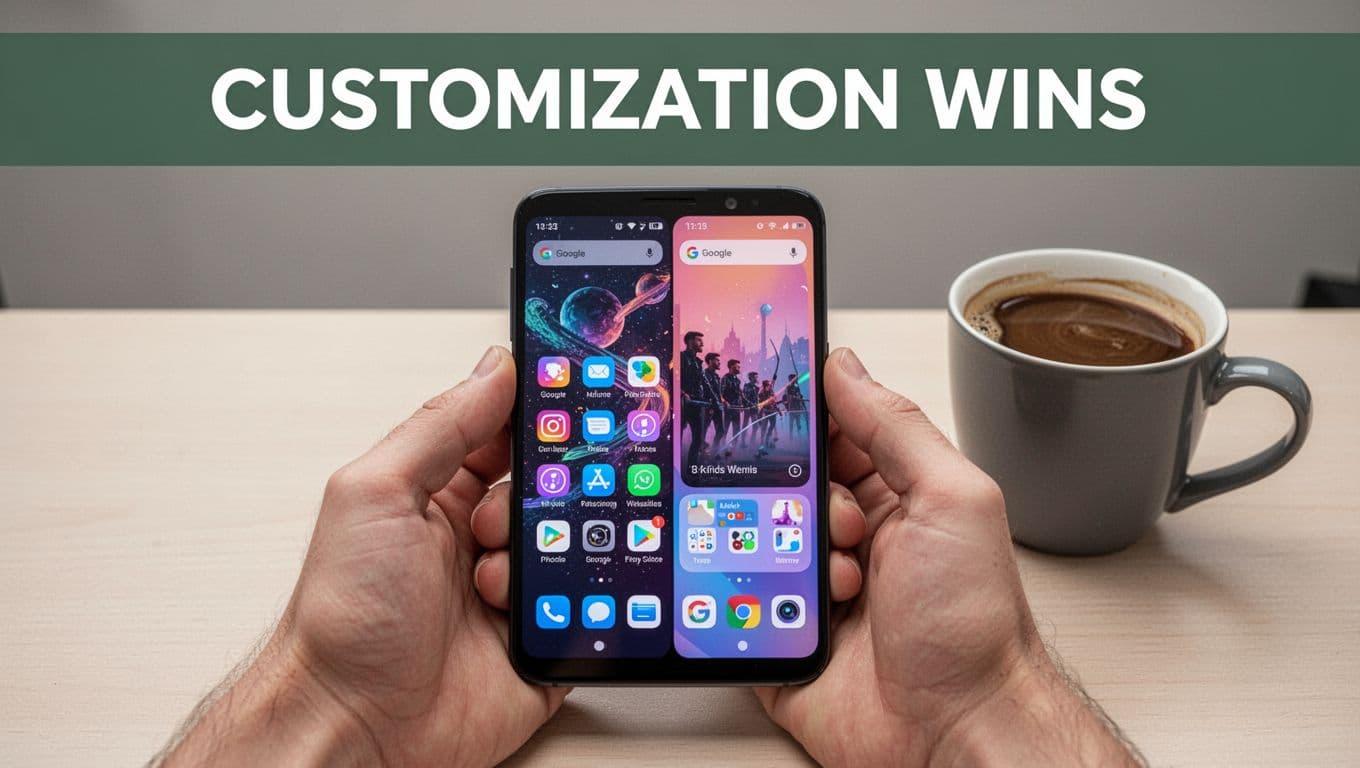
You use your phone every day for quick checks, chats, and apps. So Android and iPhone shine in real-life perks like home screen tweaks, app access, and safe keeping. Android lets you swap icons, launchers, and widgets freely. You run split-screen apps for multitasking, like email and maps at once. iPhone keeps a fixed style but adds better widgets now. It feels simple, so you set it once and move on.
Picture this: On Android, you build your perfect setup, endless tweaks for fun. On iPhone, it runs smooth without changes, less hassle for beginners. Both work great daily. Let’s check key spots.
Privacy and Update Promises You Can Trust
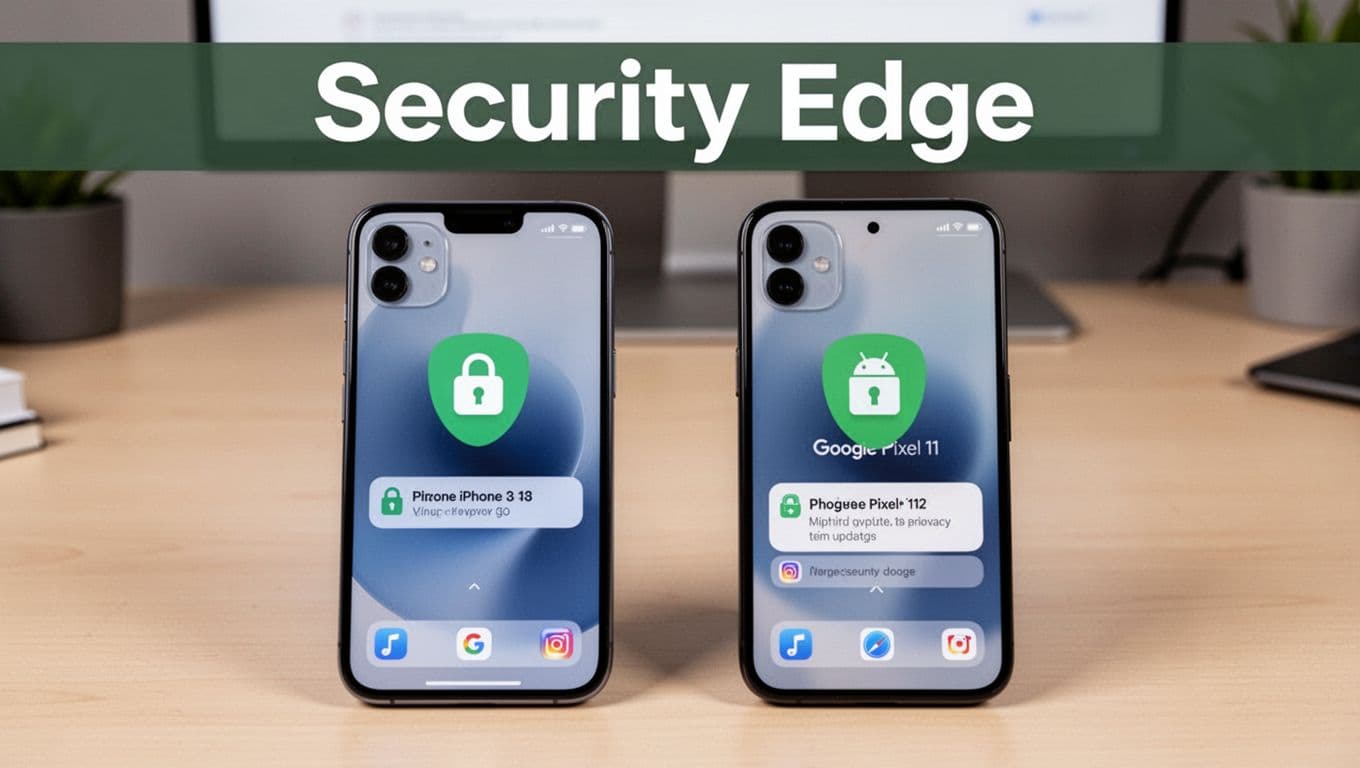
iPhone leads here because Apple promises 5 to 7 years of updates for all models. Its closed system means fast patches across every device. No old iPhones lag behind. Android varies by brand. Google Pixels and Samsung flagships match with 7 years now. Others get less, so check before buy.
Security follows suit. iOS blocks more hacks with strict app checks and on-device AI. Android improved, yet fragmentation hurts. Pick Pixels for Titan chips and quick fixes. For safe use, enable Play Protect scans, turn on auto-updates, and skip side-loading apps. Beginners worry less with iPhone; it secures by default.
Here’s a quick pros and cons table from 2026 data:
| Aspect | iPhone Wins | Android Wins |
|---|---|---|
| Updates | 5-7 years, all devices uniform | 7 years on Pixels/Samsung |
| Security | Closed system, fewer flaws | Strong tools if you tweak |
| Beginner Tip | Set and forget | Stick to top brands |
See this Android vs iOS security breakdown for 2026 for more.
App Stores and Exclusives That Matter
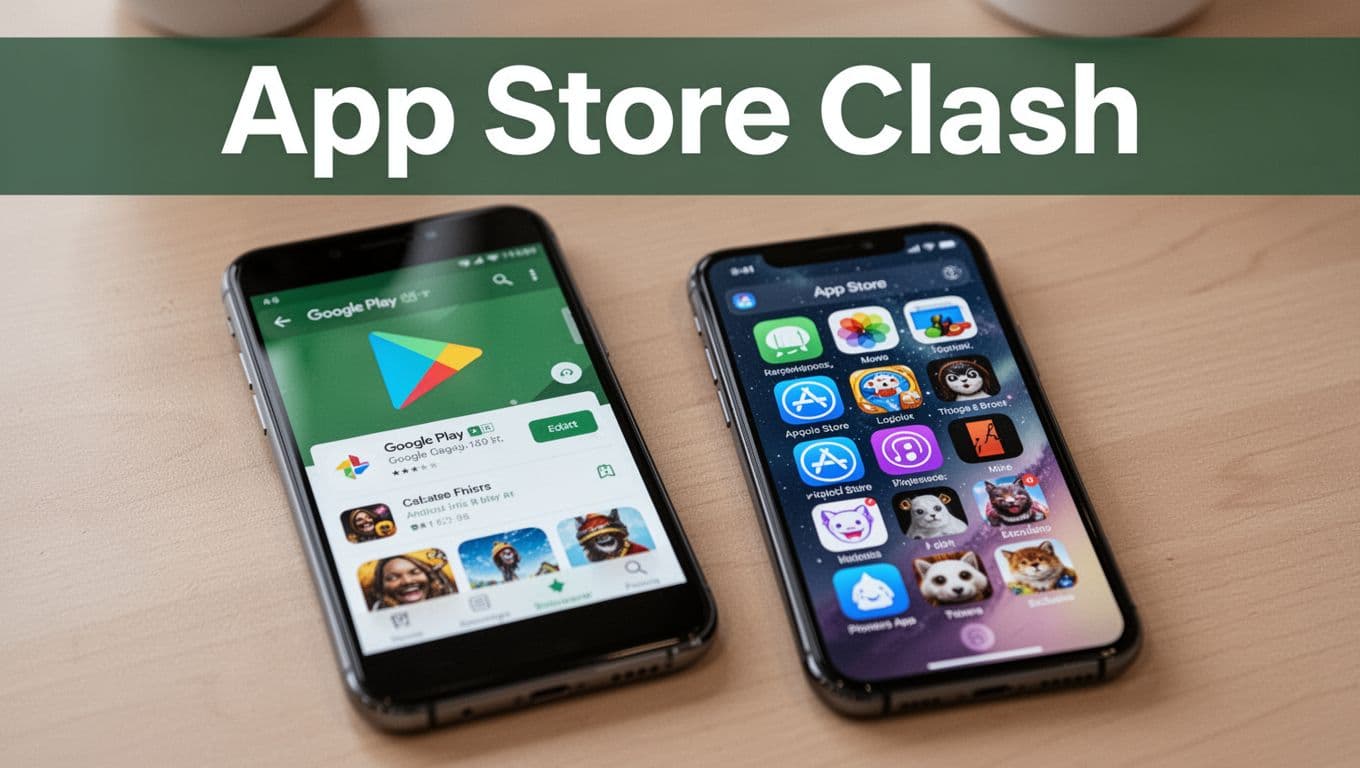
Google Play packs 3.95 million apps, more choices and fast approvals. It adds automation like live events and easy tweaks. Side-load for extras if needed. App Store feels premium with 2 million polished apps. Stricter reviews mean safer, higher-quality picks. iOS users spend more per app too.
Exclusives matter. iPhone owns iMessage for seamless chats. Android grabs automation tools and free mods. Both stores grew, but Play suits tinkerers. App Store delivers smooth premium vibes. For developers, Google charges once at $25; Apple yearly at $99.
In short, Android expands options. iPhone keeps it refined.
Check this App Store vs Play Store comparison for full stats.
Power Players: Performance, Cameras, and Smart Buying
Speed keeps your phone responsive all day. In 2026, Android’s Snapdragon 8 Gen 4 packs raw power for gaming and multitasking. It scores higher in AnTuTu (2.7-3.4 million vs iPhone’s 1.8-1.9 million) and multi-core Geekbench (10,000+ vs 8,492). Galaxy S26 and Pixel 11 handle heavy apps smoothly. Meanwhile, iPhone 18’s A18 chip excels in efficiency and single tasks. It stays lag-free with smart power use. Both deliver solid daily performance, so beginners won’t notice big gaps.
For deeper benchmarks, see this Snapdragon vs A18 comparison.
Here’s a quick 2026 chip showdown:
| Metric | Snapdragon 8 Gen 4 (Android) | A18 Bionic (iPhone) |
|---|---|---|
| AnTuTu Total | 2.7-3.4 million | 1.8-1.9 million |
| Multi-Core | 10,000+ | 8,492 |
| Strength | Gaming, multitasking | Efficiency, basics |
Android pulls ahead for power users. iPhone wins on battery sip.
Camera Showdown for Stunning Shots
Cameras capture your memories. iPhone 18 nails consistent video with stable footage and true colors. It shines in low light and pairs well with other Apple gear. Android fights back. Galaxy S26 crushes zoom with its 200MP sensor for far-off details. Pixel 11 adds AI magic like spotting hidden objects or Magic Eraser fixes.
Beginners, start simple. Use iPhone’s auto modes for videos. On Android, tap AI tools for quick edits. Test in stores. Galaxy leads zoom tests. Pixel wows with smarts. iPhone keeps it reliable.
Check early 2026 reviews in this iPhone 18 vs Galaxy S26 camera guide.
| Camera Strength | Top Pick | Beginner Tip |
|---|---|---|
| Video | Galaxy S26 | Steady shots outdoors |
| Zoom | Galaxy S26 | Crop in without blur |
| AI Edits | Pixel 11 | Erase crowds fast |
Both impress. Pick based on your shots.
Who Wins on Price and Long-Term Value?
Budget matters most for beginners. Android offers variety from $200 budget picks to $900 flagships like Galaxy S26 ($899 base). Pixel 11 dips under $800 often. iPhones start near $800, premium across the board. You save upfront with Android.
Long-term, iPhones hold value better. They retain 60-70% after a year, thanks to updates and demand. Android drops to 50% faster. Factor 7-year support on top models. Resale shines on sites like Swappa.
Want cheap options or tweaks? Go Android. Apple fan with Mac? Pick iPhone. Check deals first.
| Factor | Android Edge | iPhone Edge |
|---|---|---|
| Upfront | $200-$900 range | Steady $800+ |
| Resale | 50% after 1 year | 60-70% after 1 year |
| Updates | 7 years on Pixels/Samsung | Uniform 6-7 years |
Conclusion
Android offers freedom through customization, hardware variety, and models like the Galaxy S26 or Pixel 11. In contrast, iPhone 18 delivers ease, strong privacy, and seamless Apple ties. However, 2026 AI trends from Gemini and Apple Intelligence pull them closer with smart tools on both sides.
So, choose Android if you want budget options or flexible tweaks for your daily grind. Pick iPhone for simple setup and ecosystem perks, especially with a Mac nearby. No wrong choice exists; it matches your lifestyle best.
Which phone calls to you? Comment your pick below!